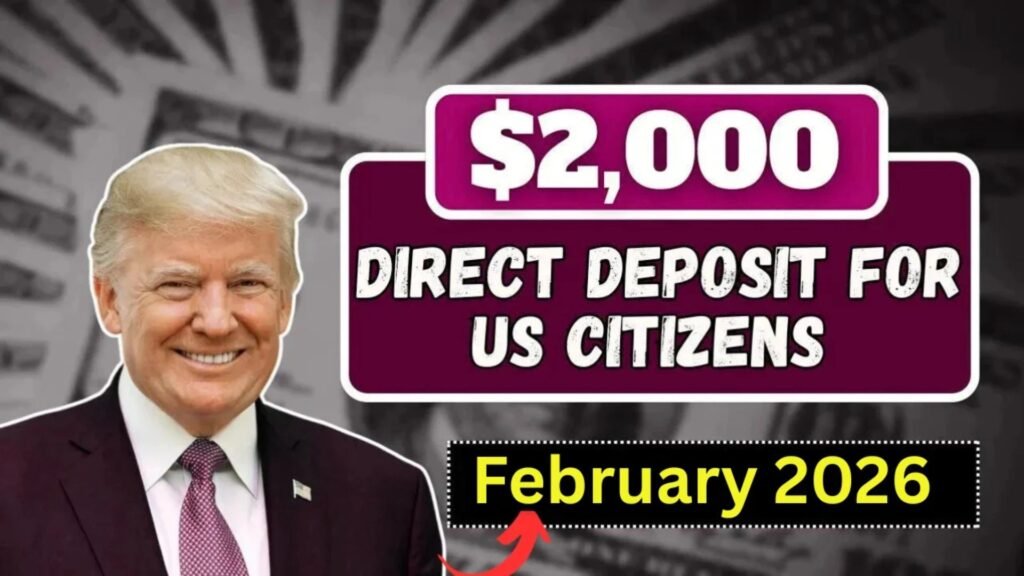
Many people in the US are talking about a possible one-time $2,000 federal deposit (or payment) that might arrive in February 2026. This has caused a lot of excitement because living costs like food, rent, bills, and healthcare keep going up. A extra $2,000 could help a lot with daily needs or debts.
But important note: As of now (late February 2026), no official new federal stimulus or $2,000 payment has been approved or started by the government, IRS, or Congress. Many claims come from rumors, social media, or old proposals (like tariff-based dividends suggested by President Trump). Some websites spread hopeful info, but reliable sources like Investopedia, Fox News, and IRS updates say these are not confirmed yet. Always check official sites like IRS.gov or SSA.gov for real facts to avoid scams.
This easy guide explains what people are saying about it, who might get it if it happens, how payments usually work, and tips to stay safe and prepared.
Why People Are Excited About This Possible Payment
A one-time $2,000 could give quick help in tough times. It might be used to:
- Pay rent or utility bills that are late
- Buy groceries or medicine
- Reduce high-interest credit card debt
- Start a small savings fund for emergencies
Even a small extra amount can lower stress and bring some financial peace.
Who Might Qualify If This Payment Happens?
If a program like this gets approved (for example, linked to tariff money or relief), it would likely use existing government records from taxes or benefits. Common groups that qualified for past similar payments include:
- Social Security recipients — Retired people, survivors, or those on disability (SSDI)
- SSI recipients — People with low income and few resources
- Veterans — Those getting VA benefits
- Low- to middle-income people — Based on your latest tax return (adjusted gross income or AGI)
Most would not need to apply separately — it would come automatically if you qualify. But higher earners might get less or nothing.
Income and Other Factors
The full $2,000 often goes to lower-income households. It could change based on:
- If you file taxes as single, married, or head of household
- Your AGI from recent taxes
- Number of children or dependents
Possible Payment Timeline (If Approved)
No exact dates are set because nothing is official yet. But past federal payments often follow this pattern:
- Early month: Checks start processing
- Mid-month: Direct deposits hit bank accounts
- Late month: Paper checks or debit cards get mailed
Direct deposit is usually fastest and safest.
How Would You Get the Money?
Payments go through normal ways the government already uses:
- Direct deposit to your bank (fastest)
- Paper check mailed to your address
- Prepaid debit card in some cases
If your bank info or address changed recently, update it soon with the IRS, SSA, or VA to prevent delays.
Simple Steps to Prepare and Avoid Problems
Even without confirmation, you can get ready:
- File your taxes on time if you need to
- Check and update your direct deposit info on official sites
- Make sure your address is current
- Watch only official sources like IRS.gov — ignore calls, texts, or emails asking for personal details or fees
Common Delay Reasons
- Old or wrong bank details
- Address not updated
- Recent tax changes
- Extra checks for identity
These usually fix themselves, but updating info helps.
Smart Ideas for Using the Money (If You Get It)
Experts suggest focusing on basics first:
- Cover housing and utilities
- Buy food and pay for health needs
- Pay off expensive debts
- Save a bit for future emergencies
Even saving $200–300 can build better habits.
Here is a quick summary table of key points:
| Topic | Details |
|---|---|
| Amount | Up to $2,000 (one-time, if approved) |
| Who might get it | Social Security/SSI/VA recipients, low/middle-income filers |
| Application needed? | Usually no — automatic based on records |
| Payment methods | Direct deposit, check, or debit card |
| Timeline (rumored) | February 2026 phases, but not confirmed |
| Tax impact | Depends on program — check IRS for details |
| Scam warning | Government never asks for money or info via unsolicited calls/emails |
Frequently Asked Questions (FAQs)
Q1: Is the $2,000 federal deposit really coming in February 2026?
No official confirmation exists yet. It’s mostly rumors from tariff ideas or past proposals. Check IRS.gov or trusted news for updates.
Q2: Do I need to apply or sign up?
Probably not — if it happens, it would use your existing tax or benefit info automatically.
Q3: Will this affect my regular benefits like Social Security or SSI?
Usually no — one-time payments don’t cut monthly benefits.
Q4: How can I check the status?
Use the official IRS “Where’s My Refund?” tool or your SSA account once processing starts (if any).
Q5: Is it taxable?
It depends on the exact program. Some past relief was not taxed, but ask a tax expert or check IRS rules.
Q6: What if my bank details changed?
Update them right away on IRS.gov or the right agency to avoid missing out.
Q7: How do I spot scams?
Real government payments never ask for fees, gift cards, or personal info over phone/email. Hang up and report suspicious contacts.
Conclusion
The idea of a $2,000 federal payment in February 2026 sounds helpful for many facing high costs. It could offer real relief for bills, debt, or savings if it becomes real. But right now, it’s not approved or happening — stay careful with rumors and never share info with untrusted sources.
Keep your records updated, file taxes properly, and watch official government websites for any real news. If it does come, use it wisely for your family’s needs. Being informed and patient is the best way to handle these situations. Stay safe and take care of your finances step by step.